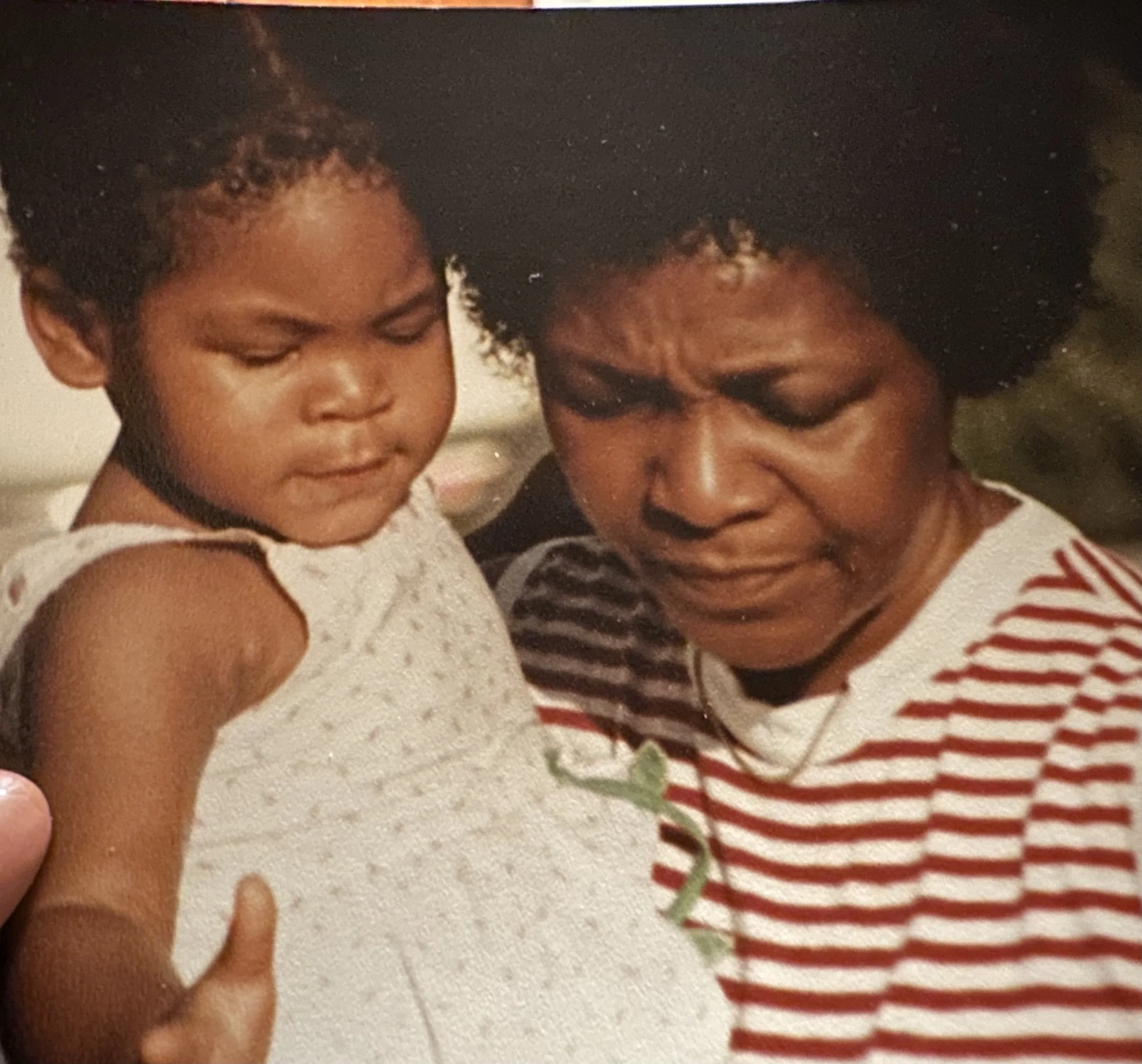

Spoiled Rotten
Early relational health is the heartbeat of human development, shaping how babies learn to feel safe, regulate emotions, and connect with others for a lifetime. In my work in perinatal and infant mental health, this understanding is grounded not only in research, but in lived experience—especially the relationship I shared with my grandmother. Her steady presence, gentle attunement, and unconditional love offered me an early blueprint for secure attachment. This blog explores how nurturing relationships in infancy build resilience, why babies cannot be spoiled by love, and how even one caring caregiver can become an “angel in the nursery,” leaving an imprint that lasts across generations.
The Lifelong Power of Early Relational Health
How My Grandmother Helped Shape My Work in Perinatal & Infant Mental Health
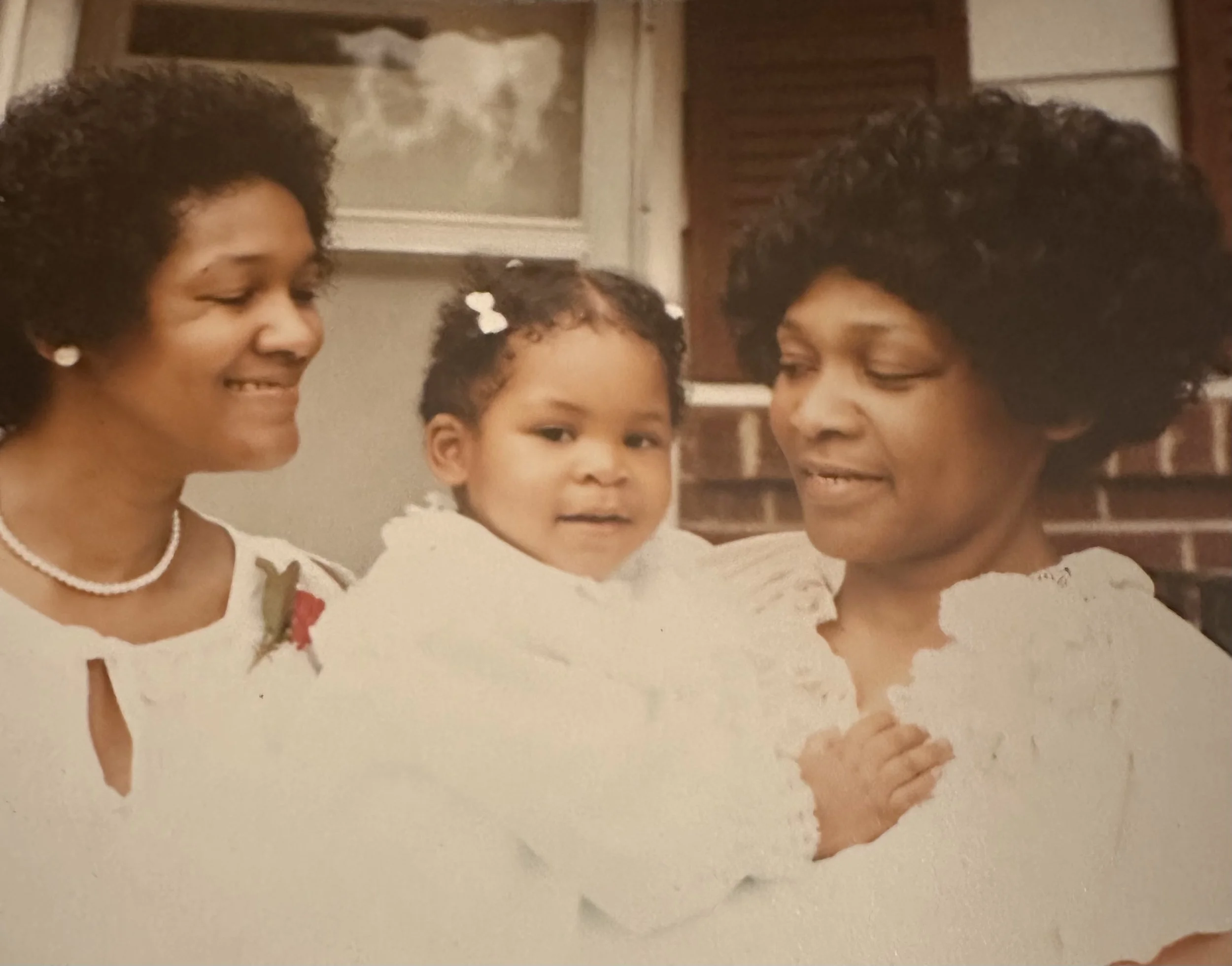
Early relational health is the heartbeat of human development. It describes the emotional connection, attunement, and consistent, nurturing interactions that shape a baby’s earliest experiences. These first relationships—usually between infants and their caregivers—build the foundation for future mental health, emotional regulation, learning, and social connection.
For many families, this concept feels intuitive: when a baby is loved well, they flourish. Yet our culture often sends mixed messages about how much nurturing is “too much,” especially in infancy. In my own journey into perinatal and infant mental health, I’ve been deeply shaped not only by research but also by lived experience—specifically, my relationship with my grandmother.
A Personal Legacy: What My Grandmother Taught Me About Connection
Many people who know me—or who have heard me speak in trainings, workshops, or parent groups—have also heard me share stories about my grandmother. Our relationship was one of the most formative connections of my life. She embodied presence, safety, and unconditional love in a way that has forever shaped how I understand early relational health.
Her home was where I felt seen. Her rhythm of care was gentle but strong. She didn’t rush me. She didn’t scold me for big feelings. She listened, held space, and created a sense of belonging that I can still feel in my body today. Even as an adult, I can return to those memories and experience the grounding and comfort they provide.
It was her example—her way of loving—that inspired my path into perinatal and infant mental health. I wanted to understand what it means to love a baby in ways that ripple out for a lifetime. I wanted to help families create the kinds of nurturing bonds that strengthen children’s resilience and well-being. She was my first model of what healthy attachment looks like, and her influence is woven into all the work I do.
Debunking a Common Myth: “You’re Going to Spoil That Baby!”
If you've ever snuggled a newborn for long stretches, responded quickly to their cries, or kept your baby close in a sling or wrap, you've probably heard it:
“Don’t hold them too much—you’ll spoil them.”
Let’s clear this up with both science and common sense:
Babies cannot be spoiled.
Research consistently shows that responsive caregiving—picking up a crying baby, offering comfort, making eye contact, and engaging with warmth—actually strengthens the baby’s ability to feel safe, regulate emotions, and build secure attachment.
Healthy attachment requires caregivers to meet a baby’s needs consistently, not perfectly. Infants are biologically wired to seek closeness. When caregivers respond, babies learn:
The world is safe.
My needs matter.
I can trust others.
I am worthy of love.
Far from “spoiling,” this process helps babies grow into emotionally resilient, socially connected, and confident children and adults.
The “Angels in the Nursery”: What Research Tells Us About Healing & Resilience
Dr. Angela Narayan’s “Angels in the Nursery” research offers powerful insight into the impact of early relational health. Her work shows that positive early caregiving memories serve as protective factors across a lifetime—even when individuals have also experienced trauma, adversity, or stress later on.
These "angels" are:
Moments of safety
Memories of warmth and responsiveness
The presence of even one nurturing caregiver
Emotional experiences that strengthen a child’s sense of security
In adulthood, these early positive experiences can increase resilience, support mental health, and even influence how individuals parent their own children.
For me, my grandmother is one of my “angels in the nursery.” Her presence is a template I carry with me—both personally and professionally. And I witness this phenomenon in the families I support as well. When parents can recall moments when they were held, loved, or cared for, it often helps them reconnect with their own capacity to nurture.
So What Does It Mean to Love a Baby Well?
Loving a baby well is both simple and profound. It doesn’t require perfection, special knowledge, or elaborate techniques. It looks like:
1. Showing Up Consistently
Being a steady presence—even when you’re tired or unsure—communicates safety.
2. Responding to Their Cues
Crying is communication, not manipulation. When caregivers respond, babies learn their voice matters.
3. Holding & Comforting Without Hesitation
Warmth, touch, and closeness regulate a baby’s nervous system and help them feel secure.
4. Making Space for Feelings
Big feelings in tiny bodies can feel overwhelming. Loving a baby well means allowing them, soothing them, and not taking them personally.
5. Repairing When Things Go Wrong
It’s normal to miss cues or become overwhelmed. What matters most is repairing—returning, reconnecting, and trying again.
6. Creating Moments of Joy
Songs, snuggles, playful faces, and shared laughter become part of the infant’s internal world of safety.
The Work of Early Relational Health Is Sacred
The early relationships we build with babies shape not only their immediate experience—but their entire developmental trajectory. They influence how babies learn to trust, explore, connect, and love. And they transform caregivers too, inviting us into deeper presence, patience, and emotional attunement.
Every day in my work, I’m reminded that nurturing relationships are one of the greatest gifts we can offer a child. They are the legacy we leave. They are the memories that become a child’s “angels in the nursery.” And often, they are passed down through generations—just like the love my grandmother poured into me.